

Ishi Stool
North American White Oak · Solid Form
From $1,800
White-glove delivery · Shipping & duties at checkout · 12–16 weeks
Kiln-dried twice · 19 days of preparation · FAS grade oak
5-year structural warranty · Every joint flashlight-tested
As featured on Dezeen

A presence,
not a piece.
The Ishi began as a question we kept asking in our architecture practice: why does a stool need legs? A stool is the simplest form of seating — a surface at sitting height. Strip away convention and what remains is a single volume that meets the body.
The result is a shape that appears impossibly thin from across the room but feels substantial under your hand. It looks like it might tip. It won't.
At 430mm, the height is deliberate — low enough to pair with a sofa, tall enough to sit on comfortably. Flip it upside down and the seat becomes a surface for a book or a glass. One form, two functions.

19 days before
the first finish.
North American white oak, selected for grain consistency. Kiln-dried, hand-shaped, kiln-dried again — because the glue adds moisture back. Most factories skip the second drying. We don't.
Every joint tested with light. If any passes through, it goes back. Then sealed the moment it leaves the kiln — locking moisture at exactly 10%. The point where oak is most stable.
Six cushions. One oak base.
Kvadrat · Dedar · Leather


Materials that
earn trust.
Italian leather tested to 50,000 flex cycles — it gets better with years of use. The same microfiber found in Ferrari, Lamborghini and Porsche interiors. Kvadrat wool rated to 45,000 rubs.
We chose the materials first, then designed the cushion around them.

One base. Many moods.
Add a cushion. Change the fabric. Or leave it bare — the oak speaks for itself.
Natural Oak — deepens to honey over years. Charcoal — ultra-thin pigment layers, hand-sanded. Deep enough to read as charcoal, thin enough to feel the grain.
What Goes Into This
19 days of wood preparation. Kiln-dried twice — because the glue adds moisture most factories ignore. Every joint tested with a flashlight. A reference mold carved from the digital design, then every edge hand-sanded to match. Water-based finish in multiple passes, each sanded between coats.
This isn't luxury for luxury's sake. Built to outlast the room it's in.
Dimensions

The ENWA Collection
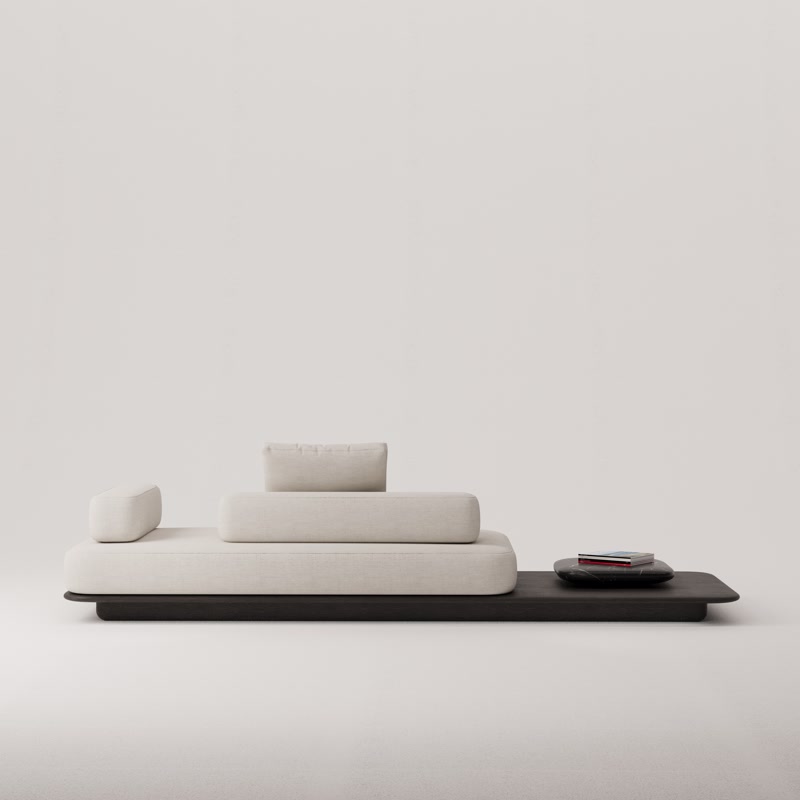
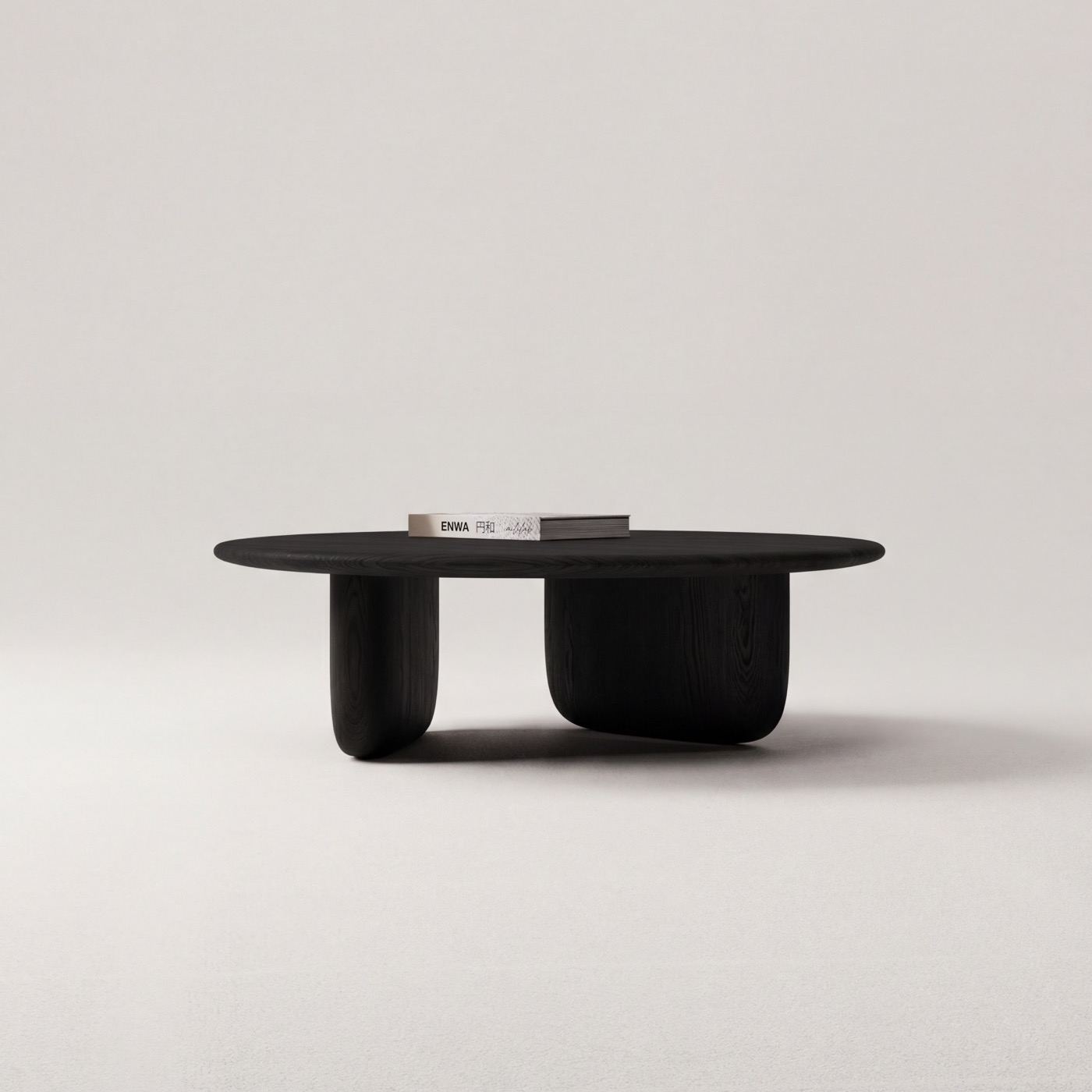
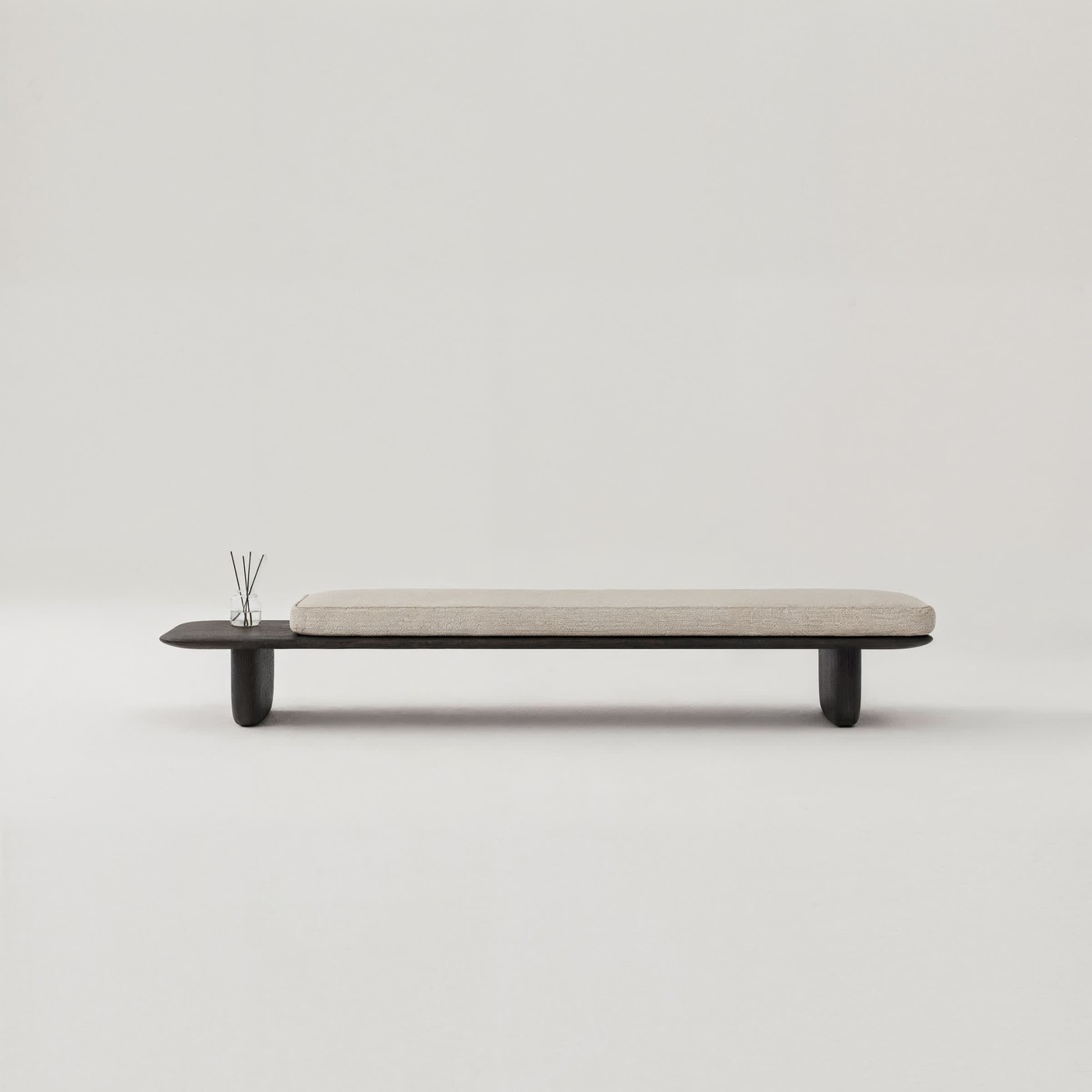
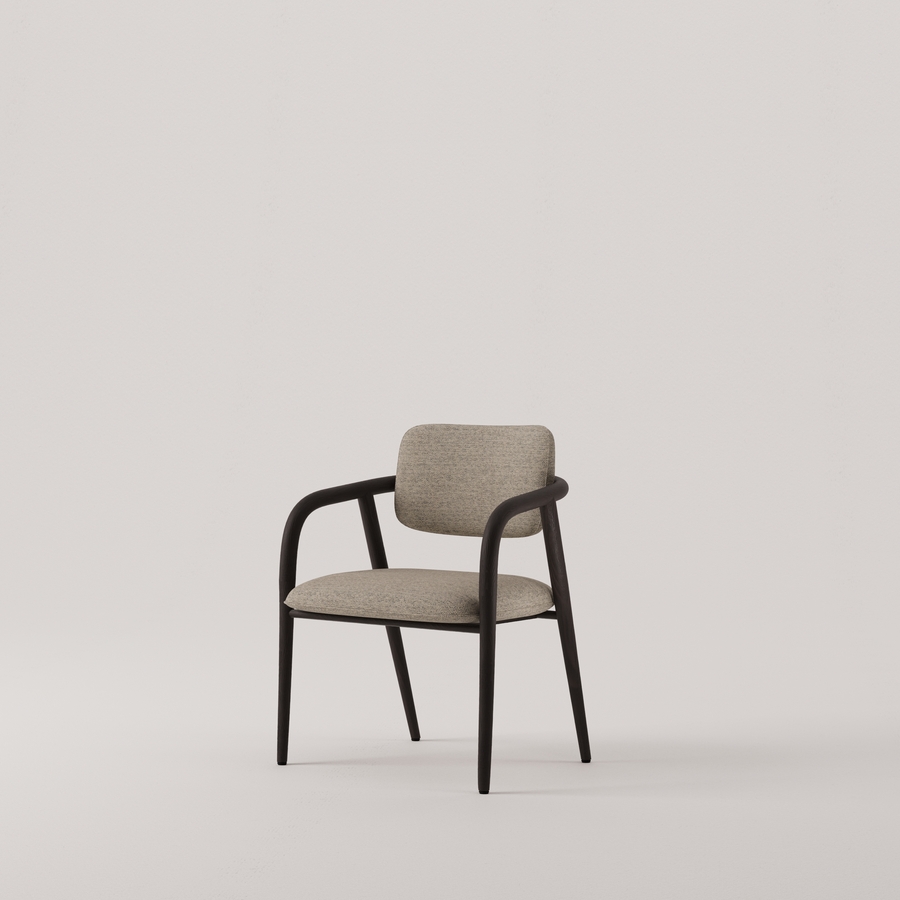
Built to Last Generations
Questions & Answers
Yes, the Ishi Stool works perfectly as both a stool and a side table. The 430mm height pairs well with sofas and lounge chairs.
Each piece is handcrafted to order. Production takes 12-16 weeks. Shipping time varies depending on your location. We keep you updated throughout.
Yes — white-glove delivery to the US, Europe, Middle East, Japan, and Asia Pacific. Shipping and import duties are calculated at checkout. No surprise charges at delivery.
Visit our Tokyo showroom by appointment. Contact us to schedule a viewing where you can experience the craftsmanship firsthand.
The Ishi is a single continuous form — one piece of solid North American white oak, digitally designed and entirely hand-finished. No joints, no assembly, no separate seat and legs. It works as a stool, a side table, or a quiet sculptural object in any room.